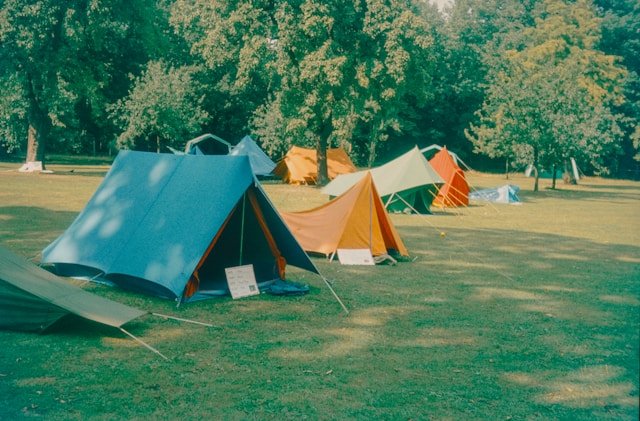
Most campers wake up surprised when they find water dripping inside their tent. It feels like a leak, but in most cases, it is tent condensation inside the tent.
This happens even in expensive tents—and many beginners mistake it for a waterproof failure.
The good news is simple: you don’t need a new tent. You just need the right setup and habits.
In this guide, you’ll learn exactly how to stop tent condensation using proven camping methods that actually work in real outdoor conditions.
🧪 Why Does Tent Condensation Happen?
Tent condensation is a natural process, not a defect.
During sleep, your body releases moisture through breathing and sweating. In a closed tent, this moisture has nowhere to go.
At night, the outside temperature drops. When warm, moist air inside your tent touches the cold inner surface of the rainfly, it turns into water droplets.
This is why you wake up with:
wet tent walls
damp sleeping bags
dripping water from the ceiling
👉 In simple terms: your tent is not leaking—it is collecting moisture from inside.
💡 5 Proven Ways to Stop Tent Condensation
- Improve Ventilation (Most Important Fix)
Airflow is the #1 solution to tent condensation problems.
If your tent is fully sealed, moisture builds up quickly inside.
What you should do:
Keep roof vents open
Slightly unzip rainfly vents
Open opposite sides for cross-ventilation
Even in cold weather, airflow reduces moisture buildup significantly.
👉 Better airflow = less condensation inside your tent.
- Choose the Right Camping Location
Where you pitch your tent directly affects moisture levels.
Best locations:
Slightly elevated ground
Under light tree cover
Areas with good airflow
Avoid:
Low ground (cold air collects)
Near lakes or rivers (high humidity zones)
👉 Proper placement reduces overnight moisture buildup.
- Keep Moisture Sources Outside the Tent
Many campers unknowingly increase humidity inside the tent.
Never bring inside:
wet jackets
muddy boots
damp clothes
Instead:
Hang wet gear outside under a tarp
Use waterproof bags for storage
👉 Less moisture inside = less condensation overnight.
- Reduce Contact With Tent Walls
One of the most common mistakes is touching the tent walls while sleeping.
When your sleeping bag or body touches wet fabric:
moisture transfers instantly
gear becomes damp
condensation feels worse
Solution:
Sleep centered inside the tent
Keep gear away from walls
- Use Better Airflow-Friendly Tent Setup
If weather allows (no rain), improve airflow further:
Use high-mesh inner tents
Open full ventilation panels
Reduce rainfly coverage if safe
Modern tents with mesh interiors perform much better in humid conditions.
🧻 Recommended Gear to Reduce Tent Condensation
Using the right accessories can significantly improve comfort.
🏕️ Microfiber Camping Towel
Helps quickly remove moisture from tent walls and gear.
✔ Fast drying
✔ Lightweight
✔ Easy to carry
🏕️ Breathable 3-Season Tent
Look for:
high mesh inner body
dual ventilation system
lightweight rainfly
These designs reduce trapped humidity.
💤 Sleeping Pad (Ground Insulation)
Reduces moisture transfer from the ground and improves sleep comfort.
⚠️ Common Mistakes to Avoid
❌ Fully sealing the tent
This traps moisture and increases condensation.
❌ Ignoring ventilation
No airflow = guaranteed wet interior.
❌ Touching wet tent walls
This transfers water directly to your sleeping gear.
❓ Frequently Asked Questions
Why is my tent wet inside even when it doesn’t rain?
Because warm air from breathing and body heat creates moisture that condenses on cold tent surfaces.
Is tent condensation dangerous?
No, but it can make sleeping uncomfortable and damage gear over time.
Can you completely stop condensation in a tent?
No—but you can greatly reduce it with proper ventilation and setup.
Do expensive tents prevent condensation?
Not completely. Setup and airflow matter more than price.
🏁 Conclusion
Tent condensation is a normal camping issue, but it is fully manageable.
You don’t need expensive gear—you need smarter setup habits:
improve ventilation
control moisture sources
choose the right campsite
👉 Master these basics and you’ll stay dry and comfortable on every trip.


0 Comments