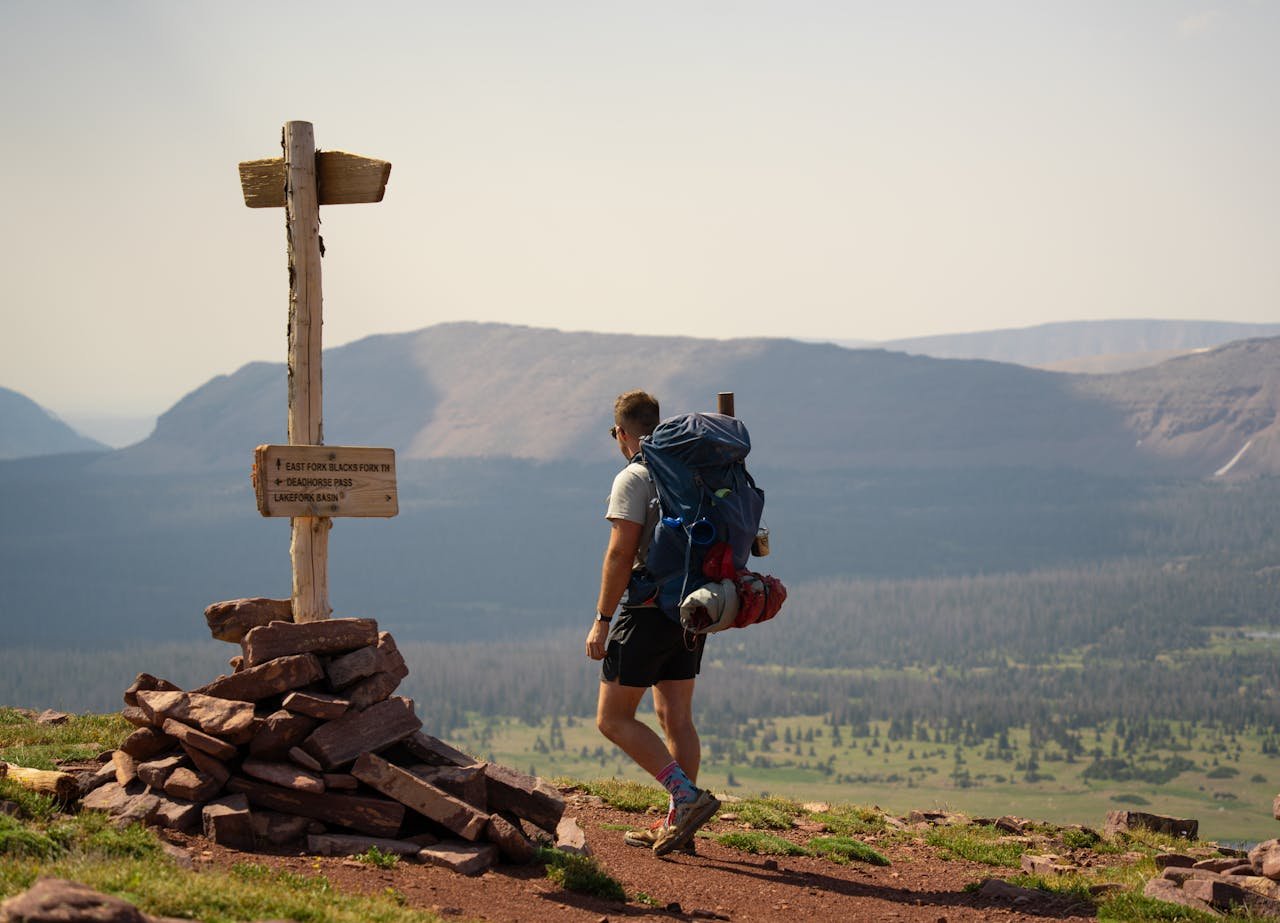
Planning a multi-day backpacking trip? It’s easy to pack too much gear you’ll hardly use. This can leave you exhausted after just a few miles on the trail. Heavy gear can change an exciting adventure into sore shoulders, tired legs, and ongoing frustration.
That’s why we created this guide on choosing ultralight backpacking gear for long trips. Our goal is simple: help you reduce pack weight while keeping the comfort, safety, and reliability you need for time spent outdoors.
CampGearLab is supported by readers. We earn a small commission if you buy through our links at no cost to you.
Quick Recommendations: Best Ultralight Backpacking Gear
| Product Name | Best For | Rating | Price |
| Zpacks Arc Haul Ultra 60 | Long-distance thru-hiking | 4.9/5 | $30 |
| Hyperlite Southwest 55 | Rugged durability | 4.8/5 | $40 |
| Enlightened Equipment Revelation Quilt | Lightweight sleep system | 4.9/5 | $78 |
| Sawyer Squeeze Water Filter | Reliable filtration | 4.6 | $60 |
| MSR PocketRocket 2 | Compact cooking setup | 4.8/5 | $50 |
Start With Your Base Weight
Before buying ultralight gear, it helps to understand the concept of base weight. Base weight refers to everything in your backpack except food, water, and fuel.
Most beginners carry far more than necessary. On long trips, even an extra 5–10 pounds can make hiking significantly harder by the third or fourth day.
The goal of ultralight backpacking isn’t to remove comfort completely. It’s about choosing gear that gives you the best balance between:
- weight
- durability
- weather protection
- comfort
For most hikers, reducing unnecessary gear matters more than buying the most expensive equipment.
The Big Three — Shelter, Sleep, and Backpack
The fastest way to reduce pack weight is by upgrading the three heaviest items in your setup:
- shelter
- sleep system
- backpack
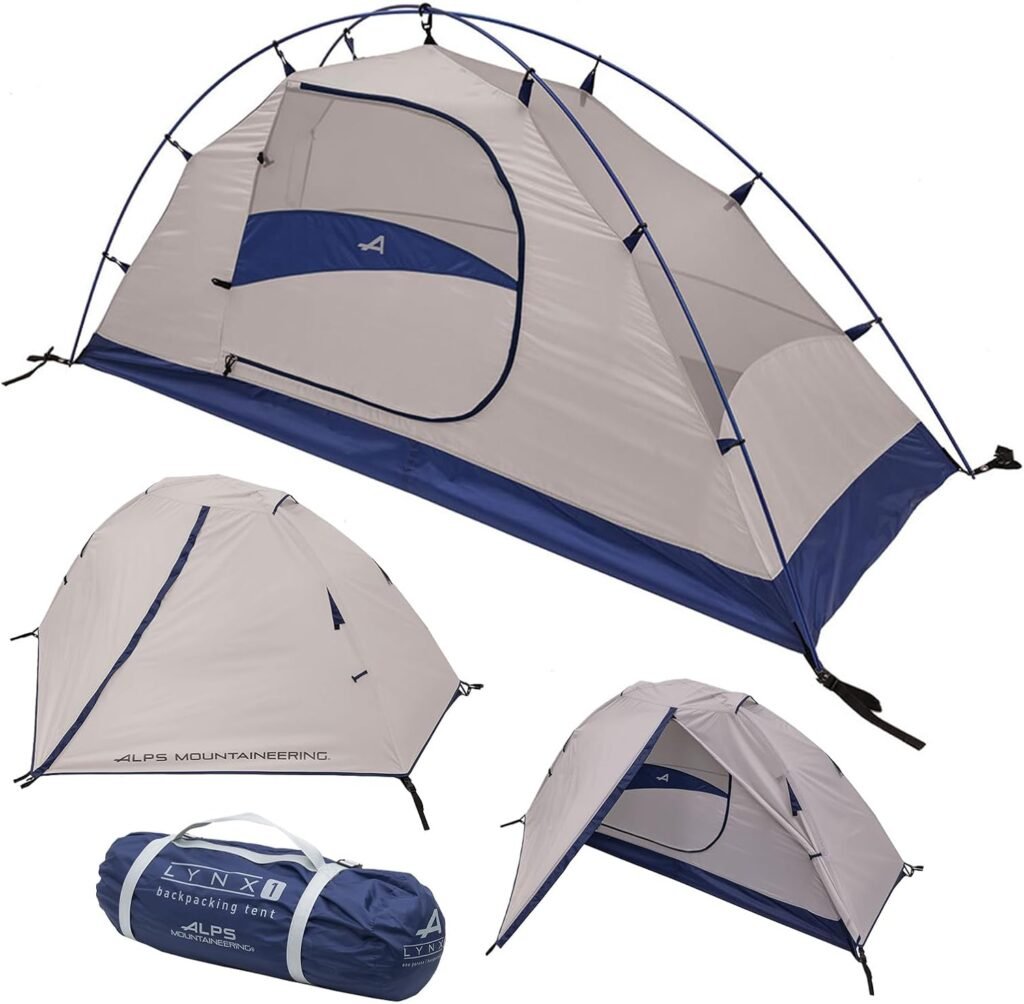
Ultralight Shelter (Tent or Tarp)
Your shelter is one of the biggest weight decisions you’ll make. Traditional camping tents can weigh 5–7 pounds, which becomes exhausting on long hikes.
That’s why many backpackers switch to trekking-pole tents or lightweight tarp shelters. These use hiking poles instead of heavy tent poles, cutting significant weight from your pack.
Materials like Dyneema Composite Fabric (DCF) are especially popular because they’re waterproof and resist sagging during wet weather.
Why hikers choose it
A lightweight shelter reduces daily fatigue and frees up energy for longer hiking days. Models like the Zpacks Duplex are popular because they provide excellent weather protection while staying incredibly light.
Downside to consider
Ultralight shelters are expensive and usually require more careful handling than traditional tents.
Sleeping System (Quilt & Sleeping Pad)
Recovery matters on long-distance trips. Poor sleep can ruin your energy level after several days on the trail.
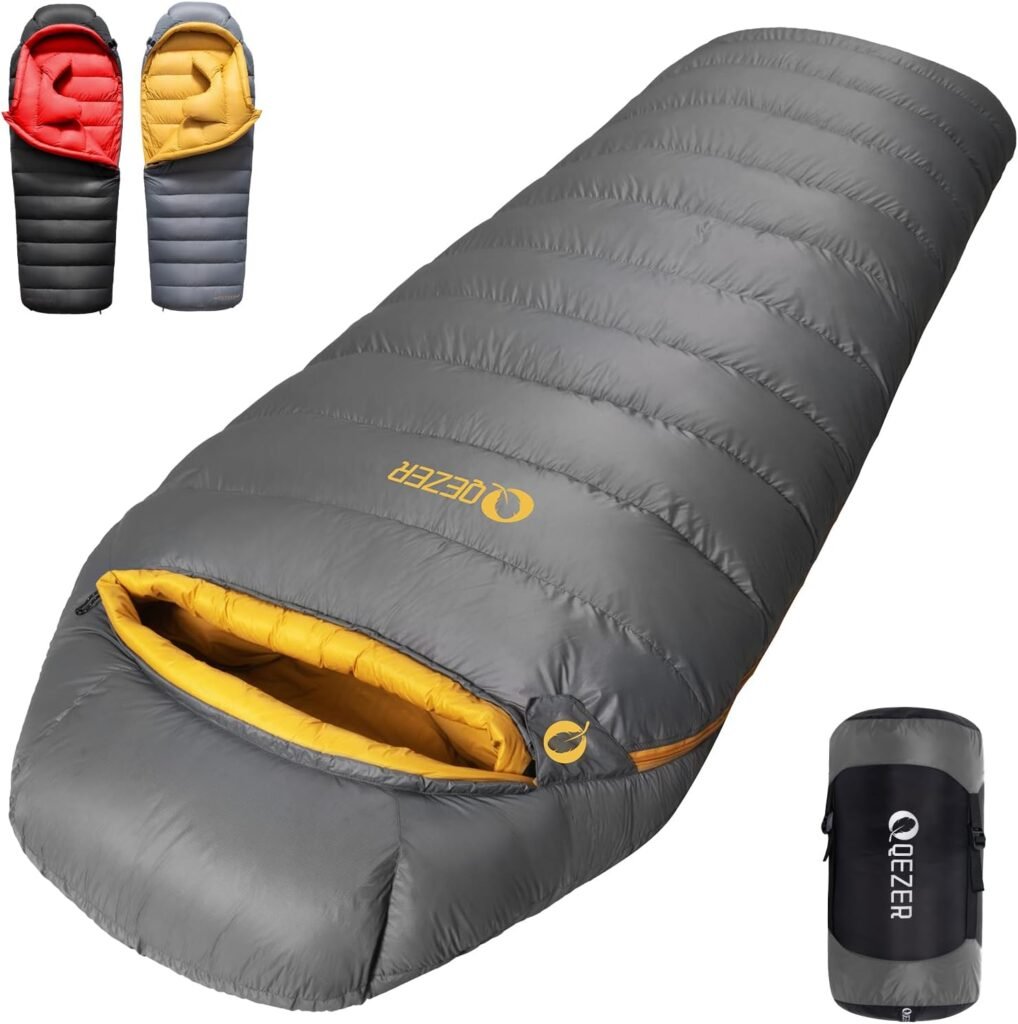
Most ultralight backpackers now prefer quilts instead of traditional sleeping bags because they eliminate unnecessary insulation underneath your body.
Pairing a lightweight quilt with a quality insulated sleeping pad creates a much lighter and more efficient sleep system.
Why hikers choose it
A quilt like the Enlightened Equipment Revelation can save nearly a pound compared to traditional sleeping bags while offering better temperature flexibility.
Downside to consider
Quilts can allow cold drafts if you move around a lot during sleep.
Ultralight Backpack
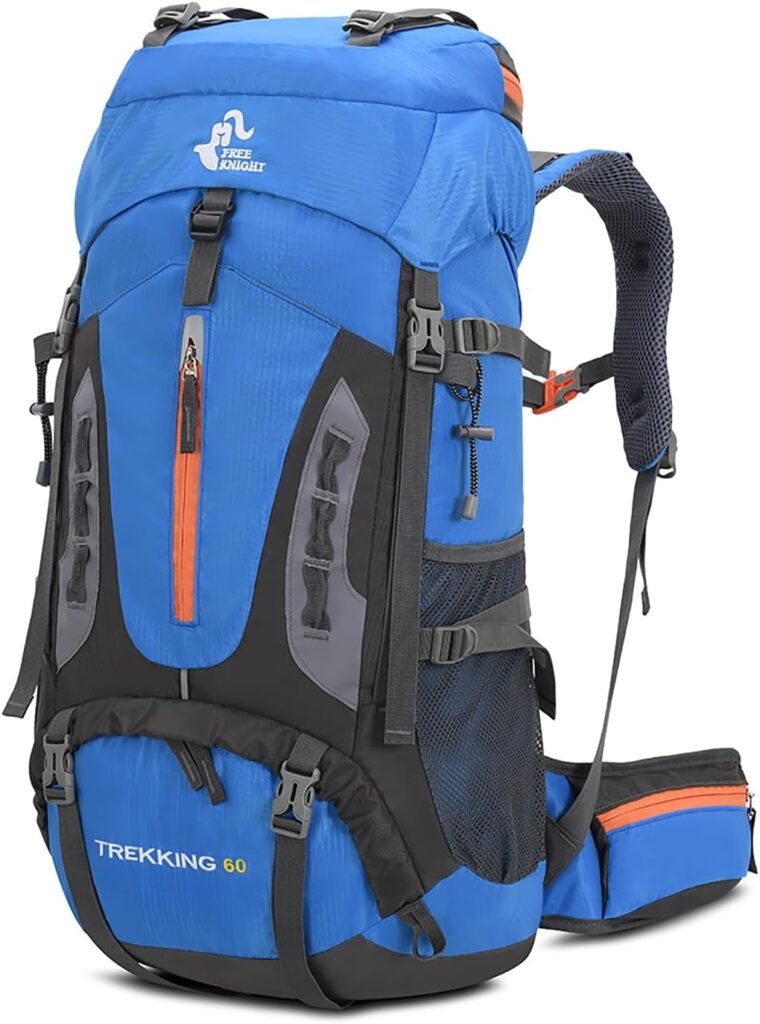
One of the biggest mistakes beginners make is buying a backpack before choosing the rest of their gear.
Your pack should match:
- total gear volume
- expected food carry
- trip duration
For long trips, lightweight framed packs are often the best balance between comfort and weight.
Why hikers choose it
Backpacks like the Hyperlite Southwest 55 are durable, weather-resistant, and light enough for extended trips without sacrificing carrying comfort.
Downside to consider
Ultralight packs usually have fewer organizational pockets and less padding than traditional hiking backpacks.
Camp Kitchen Essentials
When hiking long distances, your cooking setup should stay simple and efficient.
Stove & Fuel System
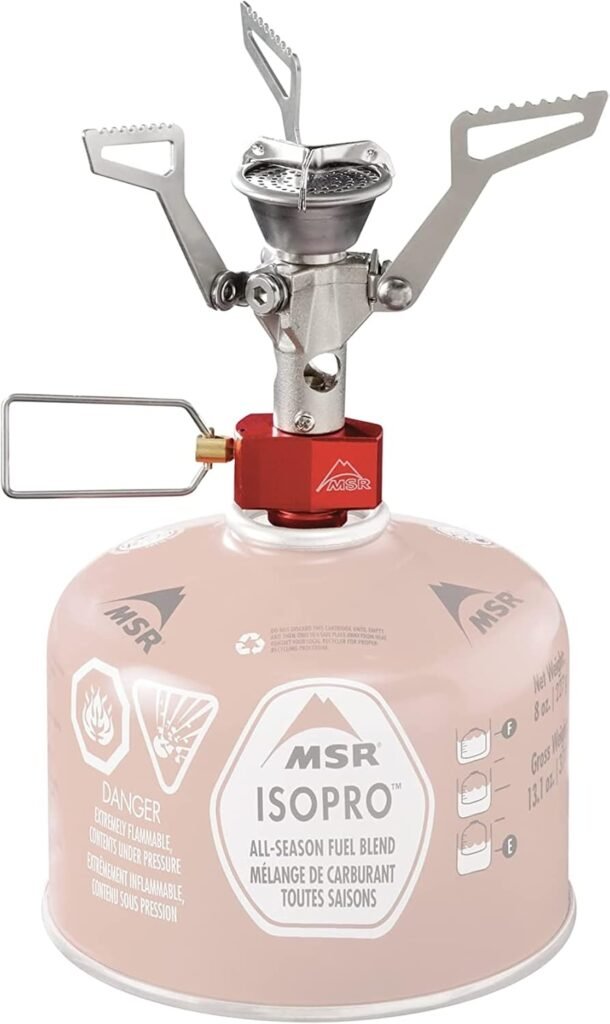
Most ultralight hikers use compact canister stoves because they’re reliable and easy to use.
The MSR PocketRocket 2 remains popular for one reason: it’s tiny, lightweight, and boils water quickly after a long hiking day.
Why hikers choose it
Hot meals and coffee can dramatically improve morale during difficult weather or exhausting trail days.
Downside to consider
Fuel canisters can sometimes be difficult to find in remote resupply towns.
Water Filtration
Water is often the heaviest thing you carry during the day. Instead of carrying large amounts, ultralight backpackers usually carry lightweight filters and refill frequently.
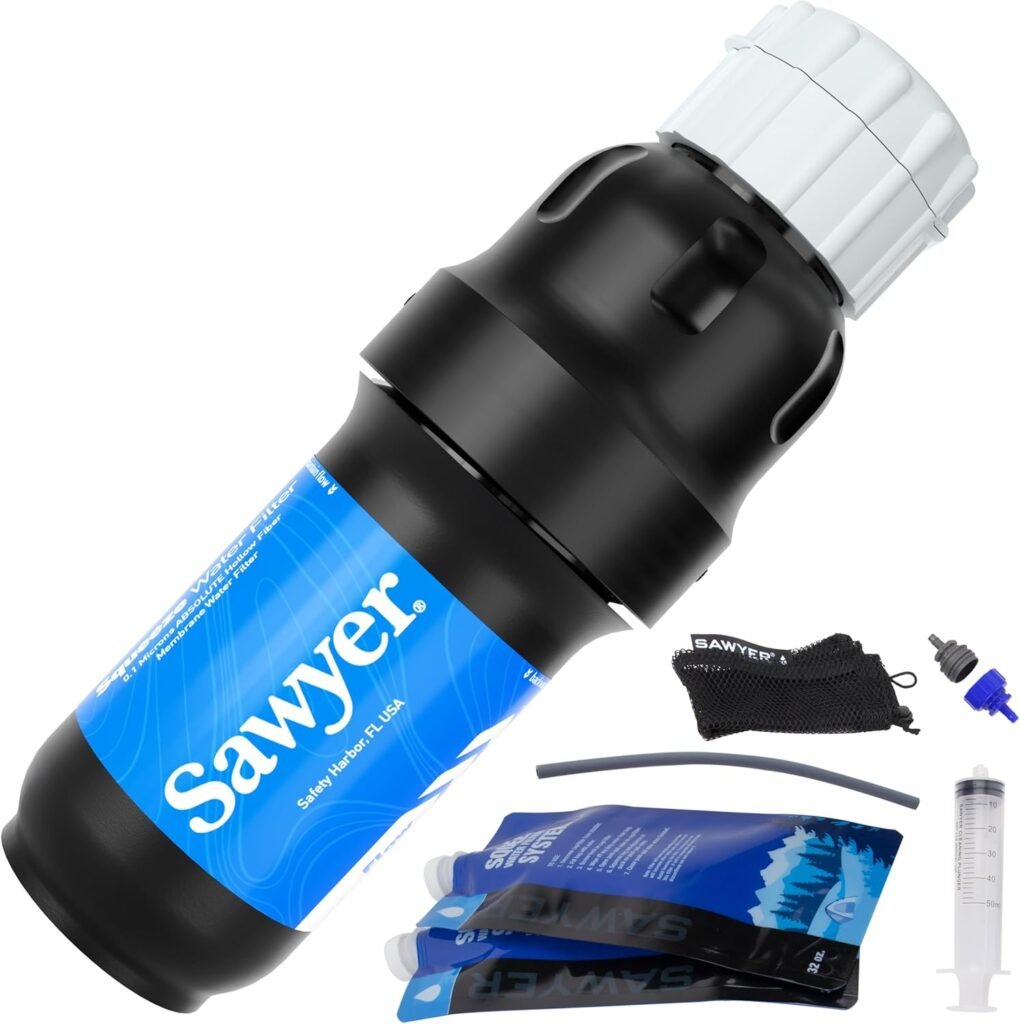
The Sawyer Squeeze remains one of the most trusted filters for long-distance hiking.
Why hikers choose it
It’s lightweight, reliable, field-cleanable, and works without batteries.
Downside to consider
Water filters must be protected from freezing temperatures to avoid damage.
Clothing and Layering Strategy
One of the secrets to ultralight backpacking is carrying fewer clothes.
Instead of packing many outfits, focus on a layering system:
- lightweight base layer
- insulation layer
- waterproof shell
Merino wool and lightweight synthetic fabrics are popular because they dry quickly and manage sweat better than cotton.
Common mistake
Many beginners overpack extra clothing “just in case,” which adds unnecessary weight.
Safety & Navigation Essentials
Reducing weight should never mean sacrificing safety.
Headlamp
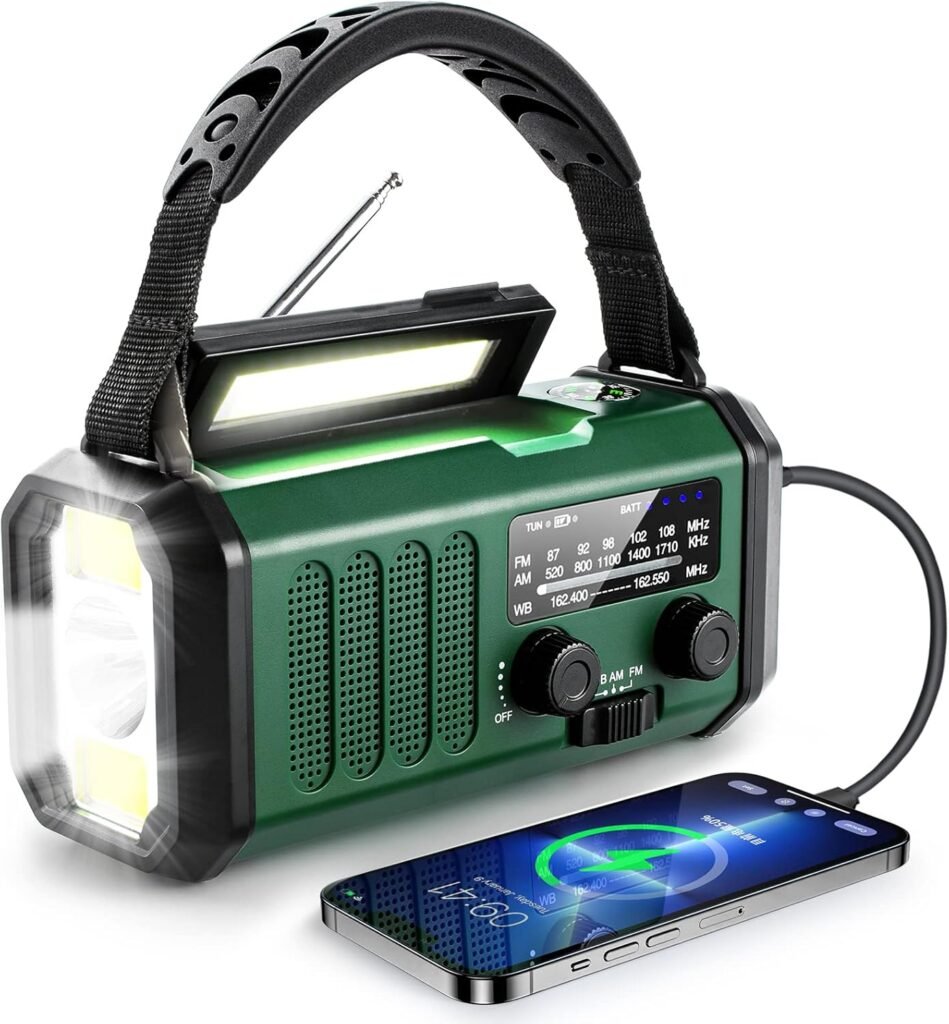
A rechargeable headlamp is essential for:
- setting up camp after dark
- nighttime bathroom trips
- emergency navigation
- Why hikers choose it
Modern ultralight headlamps are extremely light while still offering strong brightness and battery efficiency.
Downside to consider
Rechargeable models require a power bank on longer trips.
First Aid Kit
Keep your kit lightweight but practical.
Focus on:
- blister treatment
- pain relief
- bandages
- medications
- emergency repair tape
- Common mistake
Many hikers carry oversized medical kits filled with items they never use.
H2: Common Ultralight Backpacking Mistakes
Bringing too much gear
Most beginners pack based on fear instead of necessity.
Buying gear without testing it
Always test gear on short trips first.
Prioritizing weight over comfort
Saving ounces is great, but not if you’re miserable every night.
Ignoring weather conditions
Ultralight gear still needs to match your environment.
Internal Resources
You may also find these guides helpful:
- Best Ultralight Backpacking Tents
- How to Choose a Camp Sleeping System
- Best Camping Stoves for Backpacking
- Camping Essentials Checklist
- Best Water Filters for Hiking
FAQs
What is considered ultralight backpacking?
Most hikers consider a base weight under 10 pounds to be ultralight.
Is ultralight backpacking gear worth it?
Yes, especially for long trips where lower weight reduces fatigue and improves comfort over time.
What is the most important ultralight gear upgrade?
The “Big Three” — shelter, backpack, and sleeping system — usually provide the biggest weight savings.
Can beginners use ultralight gear?
Absolutely, but it’s best to start gradually instead of replacing everything at once.
How much should a backpack weigh for long trips?
Many experienced backpackers aim for a fully loaded pack weight between 20–30 pounds depending on trip length.
Choosing ultralight backpacking gear for long trips is about finding the right balance between weight, comfort, durability, and safety. Focusing on lightweight versions of your shelter, sleep system, and backpack can dramatically improve your hiking experience over long distances.
The best ultralight setup is the one that keeps you comfortable enough to enjoy the trail day after day.
What’s one piece of ultralight gear you never hike without? Let us know in the comments!

0 Comments